Quick Takeaway: The overall best time to visit Thailand is during the cool and dry season from November to February, when temperatures are comfortable and rainfall is minimal across most of the country. However, Thailand’s unique geography means good weather can be found year-round if you align your destinations with regional microclimates.
Thailand’s Three Main Seasons
Thailand has a tropical climate governed by seasonal monsoons, split into three distinct periods across most central, northern, and southern regions:
| Season | Months | Average Temperature | Travel Highlights |
|---|---|---|---|
| Cool & Dry (Peak Season) | November – February | 22°C – 32°C (72°F – 90°F) | Ideal beach weather, clear skies, lively festivals (Loy Krathong, New Year). Higher accommodation rates. |
| Hot Season | March – May | 30°C – 38°C (86°F – 100°F) | High humidity, great for Songkran (Thai New Year water festival in April) and island getaways. |
| Rainy / Green Season | June – October | 26°C – 33°C (79°F – 91°F) | Lush scenery, fewer crowds, lower hotel prices. Rains often come in short, intense afternoon bursts rather than day-long downpours. |
Regional Weather: Why Geography Matters
A crucial factor many travelers overlook is that Thailand’s East and West coasts experience different monsoon patterns.
1. The Andaman Coast (Phuket, Krabi, Phi Phi, Khao Lak)
- Best Weather: November to April brings calm, turquoise seas and sunny skies, making it prime time for diving and island hopping.
- Monsoon Period: May to October sees rougher seas and higher rainfall.
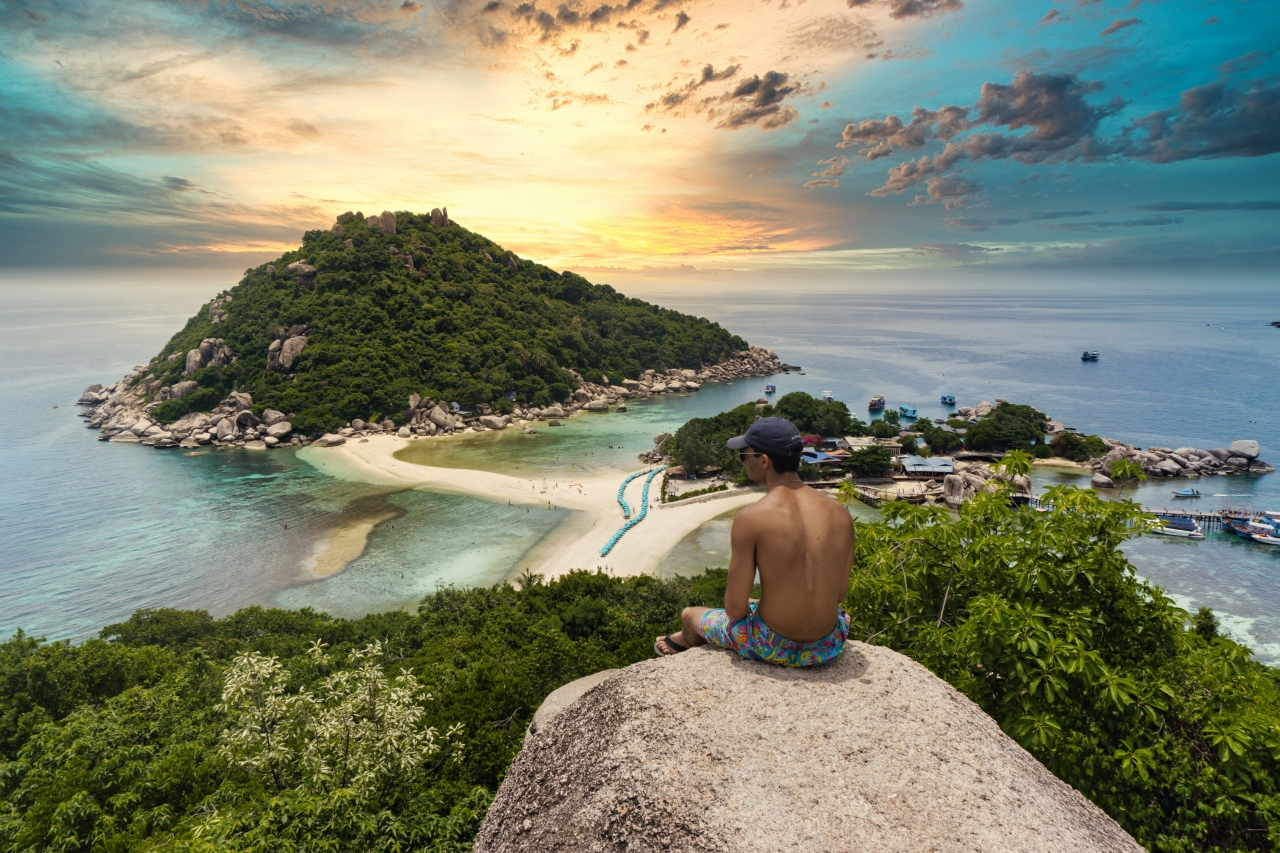
2. The Gulf of Thailand (Koh Samui, Koh Phangan, Koh Tao)
- Best Weather: January to August offers great beach conditions. Unlike the Andaman coast, Koh Samui stays relatively dry during July and August, making it the top pick for summer vacations.
- Monsoon Period: October to early December brings the heaviest rainfall to the Gulf.
3. Northern Thailand (Chiang Mai, Chiang Rai, Pai)
- Best Weather: November to February offers crisp mornings and pleasant daytime temperatures.
- Burning Season Note: Late February through April often experiences elevated haze and smoke from agricultural burning.
Month-by-Month Guide: When Should You Go?
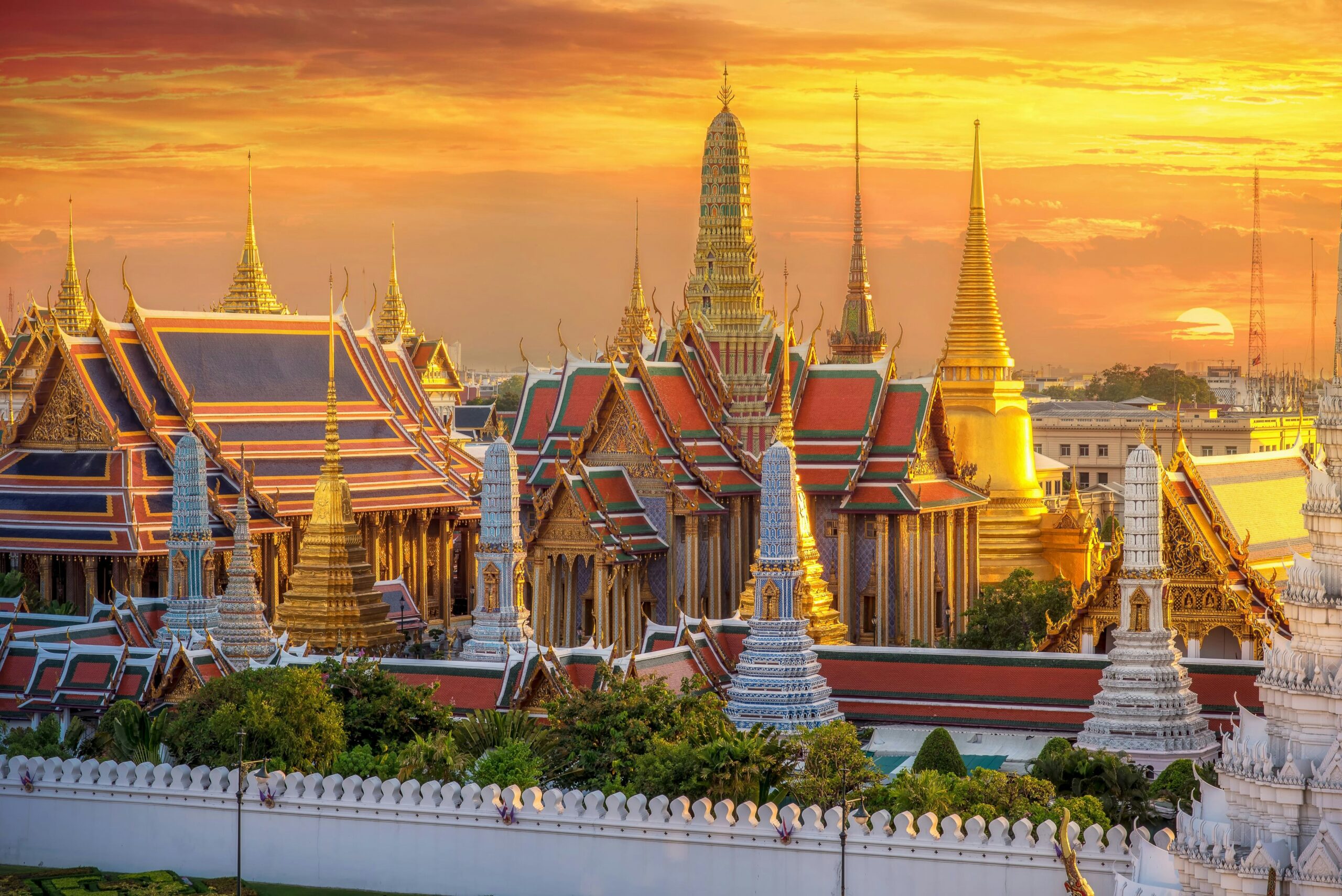
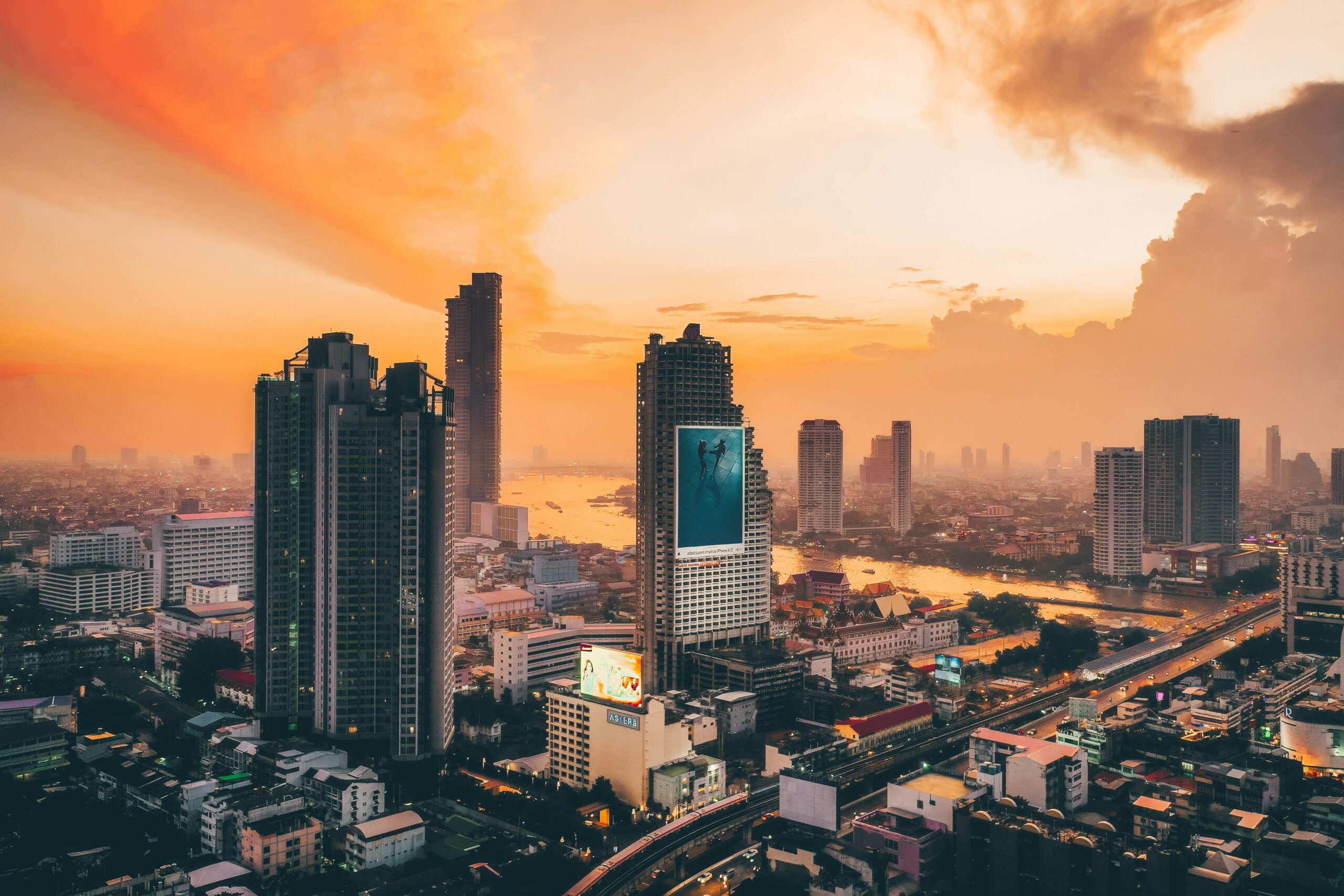
- November – February (Best for First-Timers): Perfect conditions for sightseeing in Bangkok, trekking in the north, and lounging on southern beaches.
- March – May (Best for Festivals & Island Escapes): Warmest months of the year. Essential for travelers wanting to experience the nationwide water fights of Songkran in mid-April.
- June – August (Best for Summer Holidays): Head to the Gulf islands (Koh Samui, Koh Tao) for sunny beach days while enjoying fewer crowds elsewhere.
- September – October (Best for Budget Travelers): The wettest months across most regions, bringing deep discounts on luxury resorts, quiet national parks, and dramatic waterfalls.
Essential Packing Tips for Thailand’s Weather
- Breathable Fabrics: Lightweight linen and moisture-wicking cotton work best in high humidity.
- Temple-Appropriate Attire: Lightweight shawls or pants that cover shoulders and knees are required at religious sites.
- Sun & Rain Protection: High-SPF sunscreen, polarized sunglasses, and a compact umbrella or lightweight rain poncho.