Quick Takeaway: No, you should not drink tap water directly from the faucet anywhere in Thailand. While municipal water treatment plants in cities like Bangkok treat water to safe standards, aging transit pipes and rooftop storage tanks often introduce contaminants before it reaches your tap. Both locals and tourists drink bottled, filtered, or reverse-osmosis (RO) purified water.
Tap Water Safety at a Glance
| Situation / Activity | Safe to Do? | Recommendation |
|---|---|---|
| Drinking from the Tap | ❌ No | Never drink straight tap water; stick to sealed bottled or filtered water. |
| Brushing Your Teeth | ⚠️ Generally Safe | Fine for most adults in standard hotels, but sensitive stomachs should use bottled water. |
| Showering & Washing Face | Safe | Completely safe as long as you avoid swallowing large amounts of water. |
| Consuming Ice in Drinks | Safe (99%) | Commercial ice delivered to restaurants and street stalls is made from purified water. |
| Boiled Tap Water (Tea/Coffee) | ⚠️ Conditional | Boiling kills pathogens, but does not remove potential heavy metals or sediment from older pipes. |
Why Isn’t Tap Water Drinkable in Thailand?
- Aging Pipe Infrastructure: Even when municipal authorities treat water effectively at source facilities, underground distribution pipes can be old, corroded, or prone to tiny fractures where ground contaminants seep in.
- Storage Tanks: Most hotels, condominiums, and houses store tap water in ground or rooftop holding tanks that may not receive frequent internal sanitization.
- Different Bacterial Flora: A traveler’s gut microbiome is not acclimated to local microflora, making foreigners far more susceptible to traveler’s diarrhea (commonly called “Bangkok Belly”) if unpurified water is consumed.
Is the Ice Safe in Thailand?
One of the biggest travel myths is that you must avoid all ice in Thailand. In reality, almost all ice served in restaurants, cafés, bars, and street stalls is produced in commercial ice factories using purified water.
How to Spot Safe Ice:
- Tube Ice (Ice with a hole in the middle): Factory-made and completely safe.
- Crushed Machine Ice: Delivered in clean bags from authorized suppliers and safe.
- Caution with Block Ice Hand-Crushed on the Floor: Rarely seen nowadays, but if you notice giant blocks being chipped manually on open ground, skip it.
Safe Drinking Water Options in Thailand
- Convenience Store Bottled Water: 7-Eleven, Lawson, and supermarkets sell sealed bottled water (such as Singha, Chang, Crystal, or Nestlé Pure Life) starting at just 7–15 THB ($0.20–$0.45 USD) per 500ml–1.5L bottle.
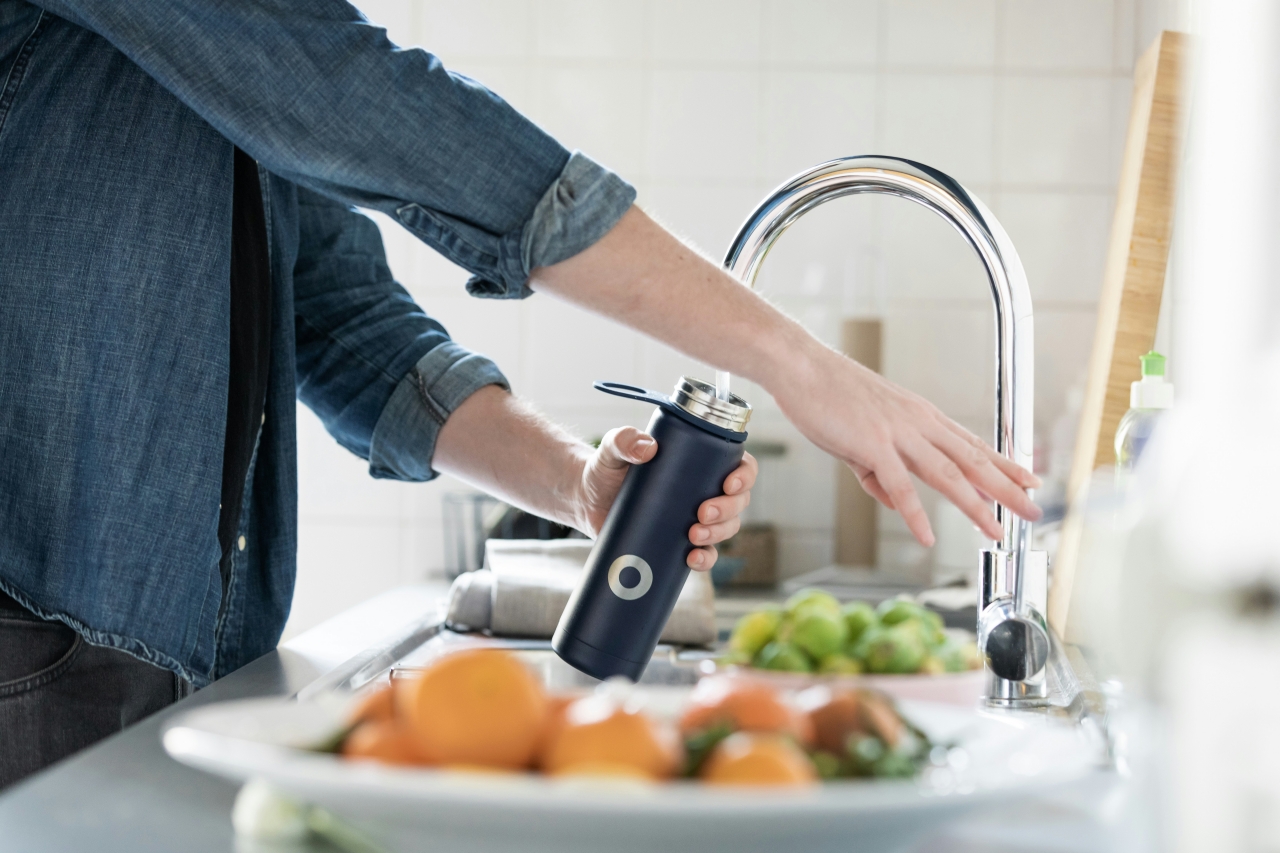
- Street RO Refill Machines: Look for coin-operated water dispensing machines on sidewalks. They use multi-stage filtration and Reverse Osmosis (RO) to fill reusable bottles for 1–2 THB per liter (an eco-friendly option).
- Complimentary Hotel Water: Most Thai hotels provide 2 free glass or plastic bottles of drinking water in your room each day.
- UV / Purifying Filter Bottles: If you plan on trekking in northern national parks (like Chiang Mai or Mae Hong Son), bringing a filtered water bottle (e.g., Grayl or LifeStraw) provides extra peace of mind.
What to Do If You Accidentally Ingest Tap Water
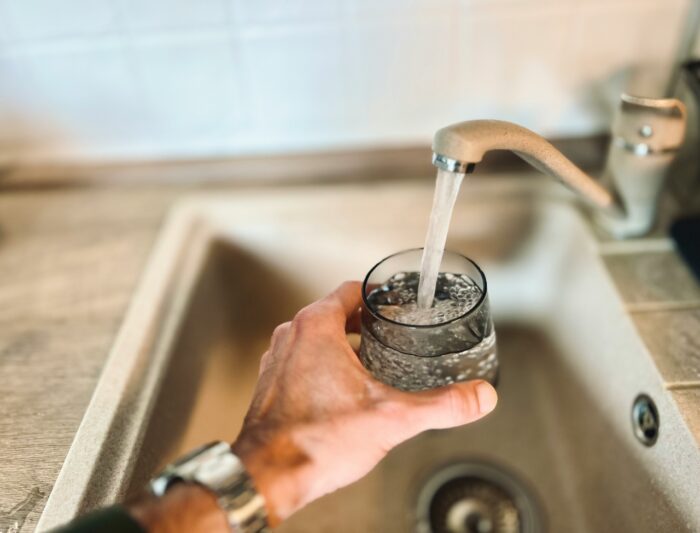
Accidentally taking a small sip while showering or rinsing your mouth will rarely make you sick. However, if you develop symptoms of an upset stomach:
- Stay Hydrated: Drink bottled water mixed with Oral Rehydration Salts (ORS packets), available at every 7-Eleven counter and local pharmacy for ~5–10 THB.
- Visit a Thai Pharmacy: Thai pharmacists are well-trained and speak good English in tourist areas; they can provide effective remedies over the counter.
- Seek Medical Care: If symptoms include high fever, severe cramps, or persist for more than 48 hours, visit an international hospital or clinic (such as Bangkok Hospital).