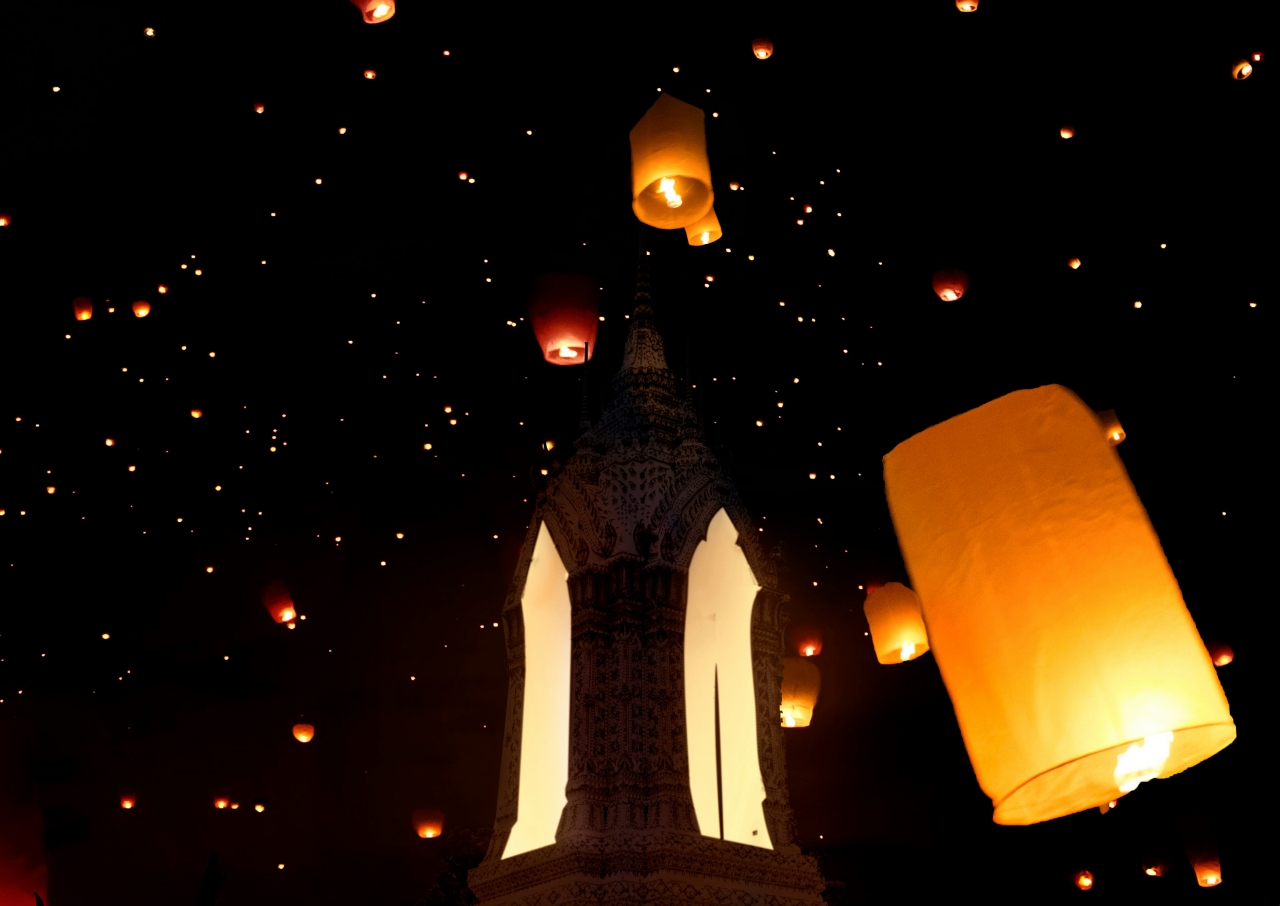
Quick Takeaway: Thailand is known worldwide as the “Land of Smiles,” famous for its warmth and hospitality. However, Thai society is deeply rooted in respect, Buddhist traditions, and social hierarchy. Being aware of daily etiquette—such as temple dress codes, respectful body language, and strict local statutes like the vaping ban—will keep your journey enjoyable, smooth, and respectful.
Essential Cultural Etiquette (Do’s & Don’ts)
| Category | Do’s (What to Do) | Don’ts (What to Avoid) |
|---|---|---|
| Head & Feet | Treat the head as the highest, sacred part of the body. | Never touch anyone’s head or hair (including children). Never point your feet at people or Buddha statues. |
| Greetings | Return a Wai (palms together at chest level with a slight bow) to peers and elders. | Don’t feel obligated to Wai to service staff, taxi drivers, or children. |
| Shoes & Entryways | Remove your shoes before entering temples, homes, and small shops displaying shoe racks outside. | Never step directly on door thresholds; step over them to respect traditional beliefs. |
| Monks | Give up your seat on public transit (BTS/MRT) to Buddhist monks. | Women must never touch a monk, hand objects directly to them, or sit beside them on transit. |
| Public Demeanor | Keep calm, speak politely, and smile when resolving misunderstandings (Jai Yen / cool heart). | Avoid shouting, arguing aggressively, or causing someone to “lose face” in public. |
Temple (Wat) Dress Code & Behavior Rules
Temples are active places of worship, not just tourist sights. Adhering to the dress code is mandatory at sites like the Grand Palace, Wat Pho, and Wat Arun.
- Shoulders & Knees Covered: Sleeveless tops, tank tops, crop tops, short skirts, and shorts above the knee are strictly prohibited.
- Appropriate Footwear: Wear slip-on shoes or comfortable sandals that are easy to remove and put back on at temple entrances.
- Inside the Sanctuary (Ubosot): Sit with your feet tucked behind you (mermaid style) rather than pointing your feet forward toward the primary Buddha image.
- Photography: Taking photos is generally welcomed, but always look for “No Photo” signs near sacred relics. Never climb on ancient stupas or pose disrespectfully with Buddha statues.
Critical Thai Laws Every Tourist Must Know
1. Reverence for the Royal Family & Institutions
Thailand’s institutions and monarchy are held in high legal and cultural regard under Section 112 of the Thai Criminal Code.
- Avoid making critical, casual, or negative remarks about the royal family in public or on social media.
- Treat Thai currency with care, as banknotes and coins feature portraits of the monarch; never step on dropped money to stop it from rolling away.
2. E-Cigarettes & Vaping Are Strictly Illegal
Electronic cigarettes, vapes, e-shishas, and refill pods are completely prohibited in Thailand.
- Bringing vapes into the country or possessing them can lead to confiscation, hefty spot fines (up to 20,000–500,000 THB), or even deportation. Do not pack them in your luggage.
3. Alcohol Sales Hours & Public Drinking
- Restricted Buying Hours: Alcohol can legally be purchased in stores only between 11:00 AM – 2:00 PM and 5:00 PM – 12:00 AM (Midnight).
- Dry Days: Alcohol sales are completely banned nationwide on major Buddhist holidays (e.g., Makha Bucha, Visakha Bucha, Asahna Bucha) and during official election days.
- Designated Areas: Drinking in temples, public parks, schools, and gas stations is illegal.
4. Passport & Identification Carriage
Under Thai immigration law, foreigners are required to carry identification. While keeping your original passport secured in your hotel safe is common practice, always keep a clear color photo or digital copy of your passport photo page and arrival stamp on your smartphone.
5. Motorcycle & Scooter Driving Regulations
Renting a scooter is popular, but local traffic laws are strictly enforced:
- You must hold a valid driver’s license from your home country plus an International Driving Permit (IDP) with motorcycle endorsement.
- Wearing a helmet is legally required for both driver and passenger. Riding without one incurs fines and can void travel insurance coverage in case of an accident.
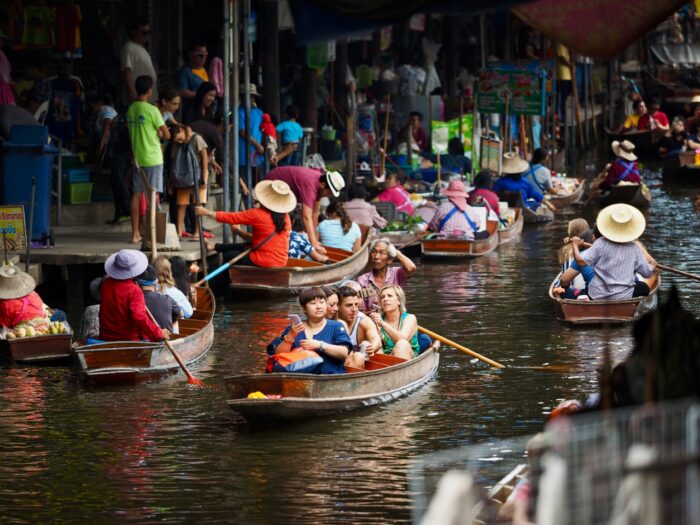
Social Expressions You Will Encounter
- Mai Pen Rai (ไม่เป็นไร): Translates to “It’s okay,” “No worries,” or “Don’t sweat the small stuff.” It reflects the easy-going, accommodating nature of Thai daily life.
- Sawasdee (สวัสดี): The universal Thai greeting for “Hello” and “Goodbye” (add Khrub for men or Kha for women at the end of sentences for politeness).
- Public Displays of Affection (PDA): Holding hands is fine, but excessive public displays of romantic affection are frowned upon in traditional and family areas.