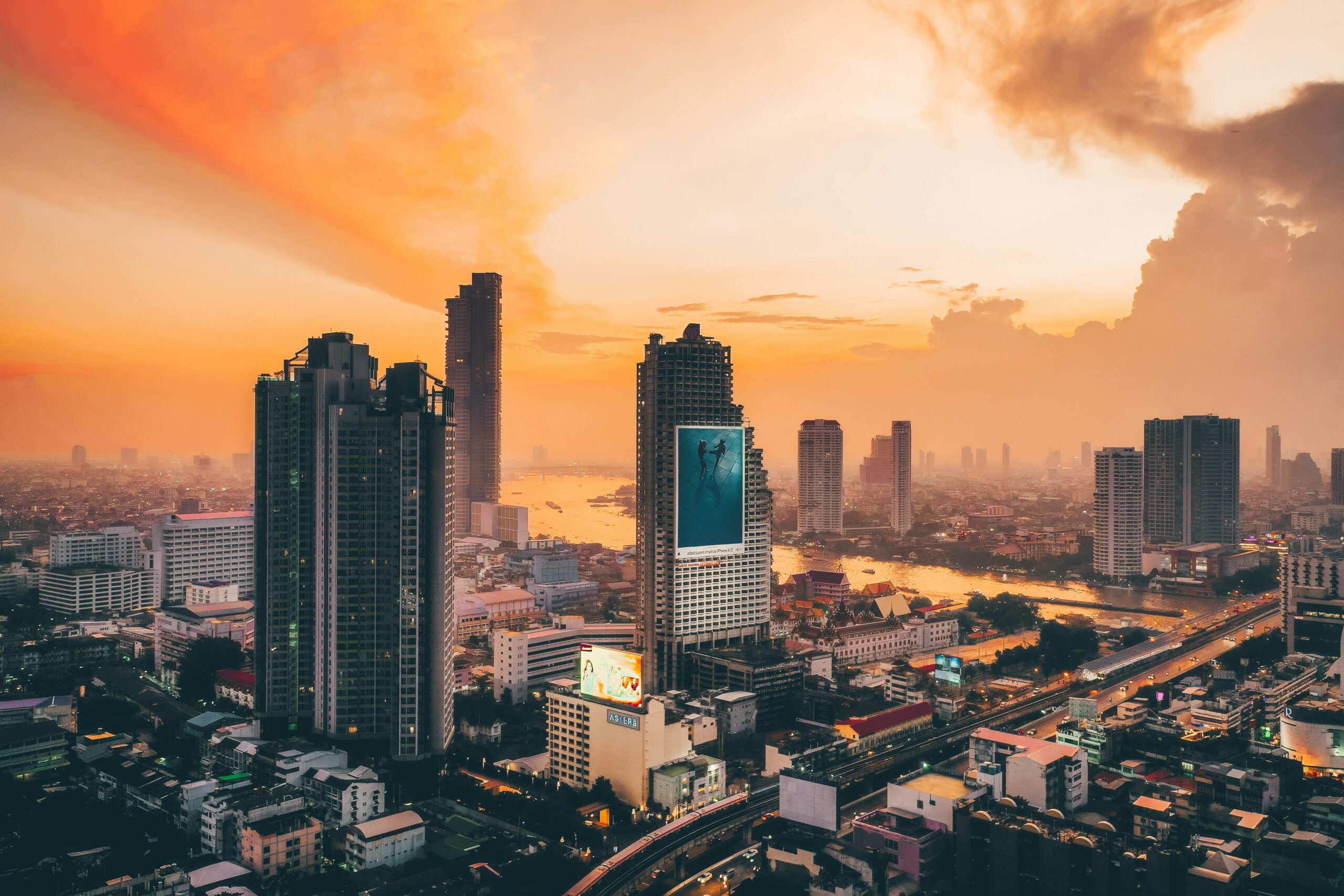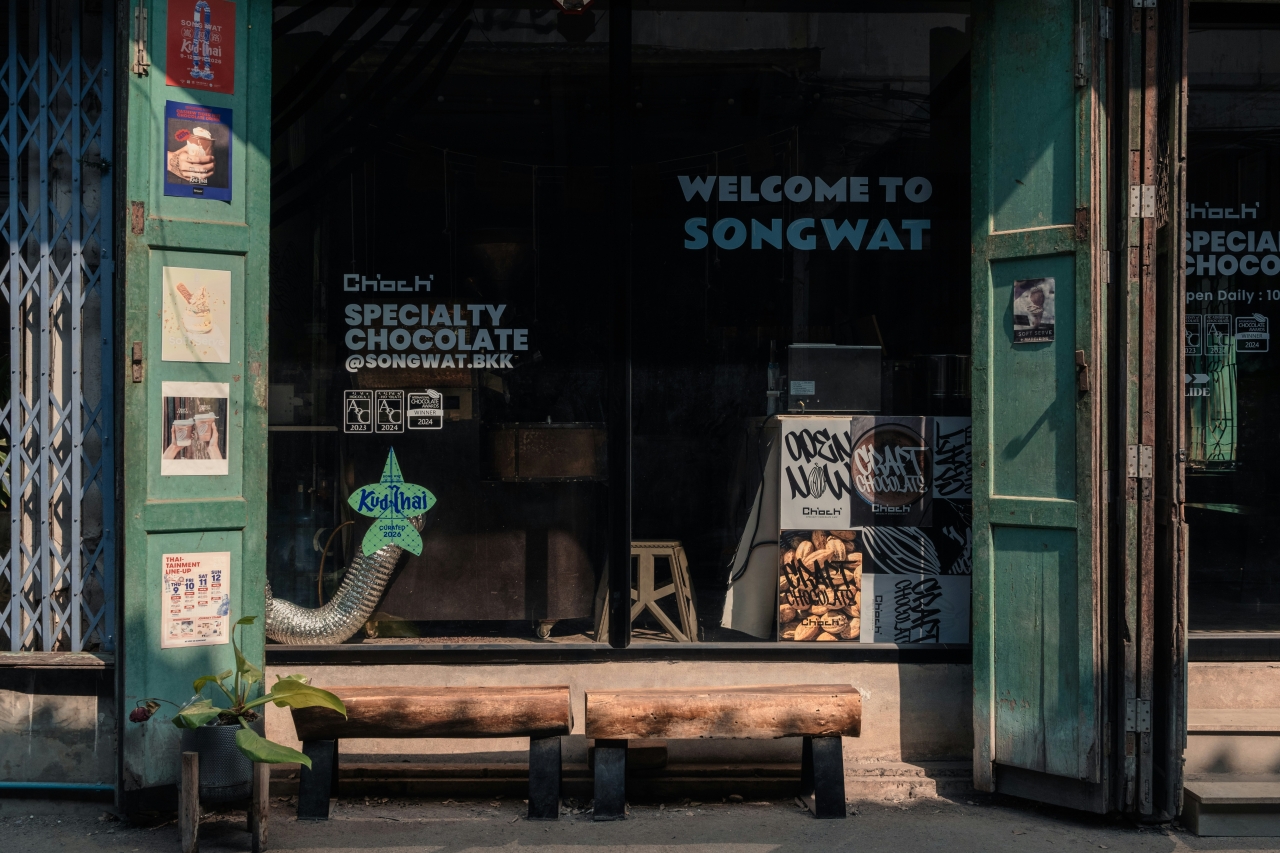
Tucked along the banks of the Chao Phraya River, Song Wat and Talat Noi represent the ultimate blend of historic Bangkok charm and modern creative energy. Once thriving commercial trading hubs during the 19th and early 20th centuries, these neighboring districts have transformed into Bangkok’s most exciting creative hotspots—where traditional shophouses, sacred Chinese shrines, and historic spice warehouses sit alongside specialty coffee roasters, contemporary art galleries, and craft cocktail bars.
Song Wat: The Revitalized Maritime Trading Street
Song Wat Road was commissioned by King Chulalongkorn (Rama V) following a major fire in Chinatown in 1906. Historically the center of Bangkok’s maritime rice and spice trade, the street is defined by century-old European-influenced commercial architecture. Today, a new generation of local entrepreneurs has breathed fresh life into these historic facades.
Must-Visit Spots in Song Wat
- FV (Fruit & Vegetable): A unique tea house and dessert salon celebrating rare indigenous Thai fruits, traditional herbs, and local artisanal snacks set inside a meticulously restored wooden shophouse.
- Pieces Cafe & Bed: An ultra-intimate boutique cafe and guesthouse famous for its signature warm coconut ice cream served in house-baked “Muttonhead” pastries.
- Easawan & Local Galleries: Explore hidden art studios, independent lifestyle concept stores, and historic dry-goods shops that still operate alongside modern boutiques.
Talat Noi: Alleyways, Automotive Heritage & Street Art
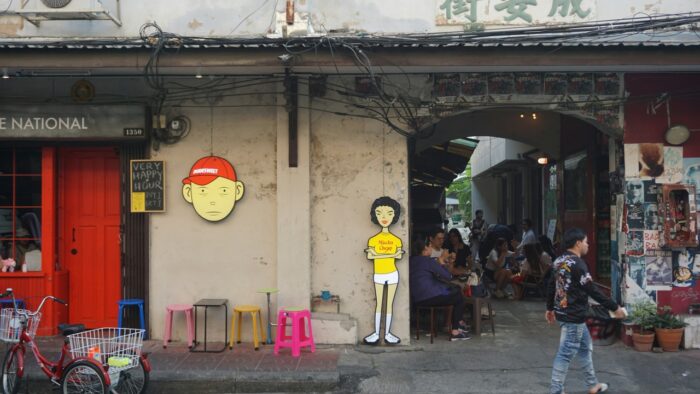
Adjacent to Chinatown, Talat Noi (literally “Little Market”) is one of Bangkok’s oldest Hokkien and Teochew Chinese communities. Celebrated for its labyrinthine narrow alleys, automotive spare-parts heritage (known locally as Sieng Kong), and vibrant wall murals, Talat Noi offers an authentic glimpse into neighborhood life unaltered by rapid modern development.
Must-Visit Spots in Talat Noi
- So Heng Tai Mansion: A stunning 200-year-old traditional Hokkien Chinese courtyard house. Uniquely preserved by its founding family, the central courtyard famously houses a commercial scuba diving pool surrounded by historic carved teakwood balconies.
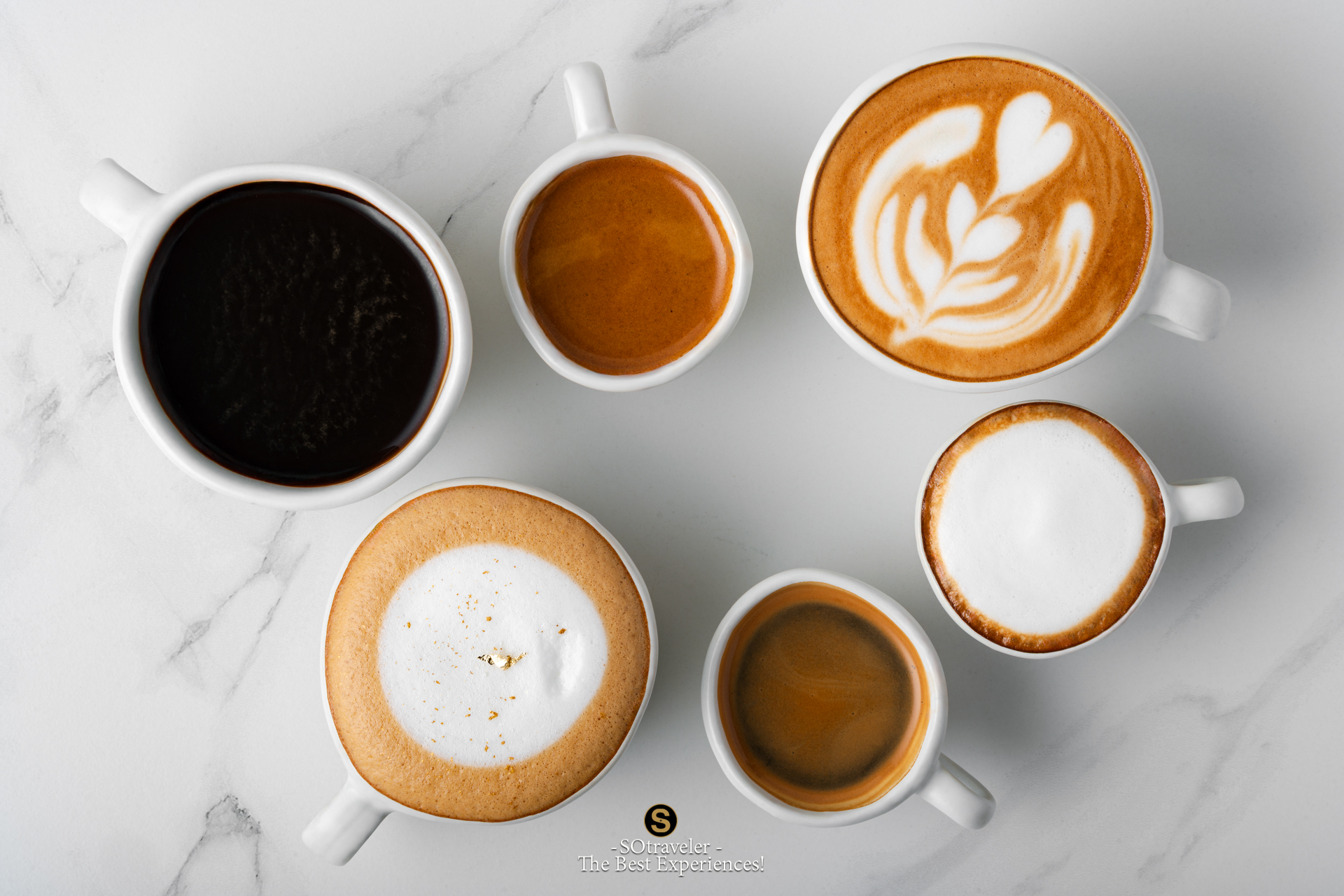
- Baan Rim Nam & Mother Roaster: Enjoy artisanal drip coffee prepared by passionate local baristas at Mother Roaster, or sit riverside at Baan Rim Nam for sunset drinks in an open-air vintage warehouse.
- Chow Sue Kong Shrine: A sacred riverside Chinese temple dating back to 1804, featuring intricate dragon carvings, incense offerings, and peaceful waterfront views.
Neighborhood Comparison & Highlights
| Neighborhood | Primary Vibe | Key Highlights |
|---|---|---|
| Song Wat | Chic, architectural, curated cafe culture | Heritage shophouses, specialty coffee, design boutiques, and culinary pop-ups. |
| Talat Noi | Raw, historic, community-driven street life | Sieng Kong automotive alleys, street art, So Heng Tai Mansion, and riverside shrines. |
Walking Tour & Visitor Tips
- Best Time to Visit: Late afternoon (around 3:30 PM to 6:30 PM) is ideal. The lighting is perfect for street photography, temperatures begin to cool, and you can seamlessly transition into sunset drinks along the river.
- How to Get There: Take the MRT Underground to Wat Mangkon Station or Hua Lamphong Station, followed by a pleasant 10-minute walk. Alternatively, take the Chao Phraya Express Boat to Ratchawong Pier (for Song Wat) or Marine Department Pier (for Talat Noi).
- Footwear: Wear comfortable walking shoes. The best way to experience both neighborhoods is on foot through narrow, vehicle-free alleys.