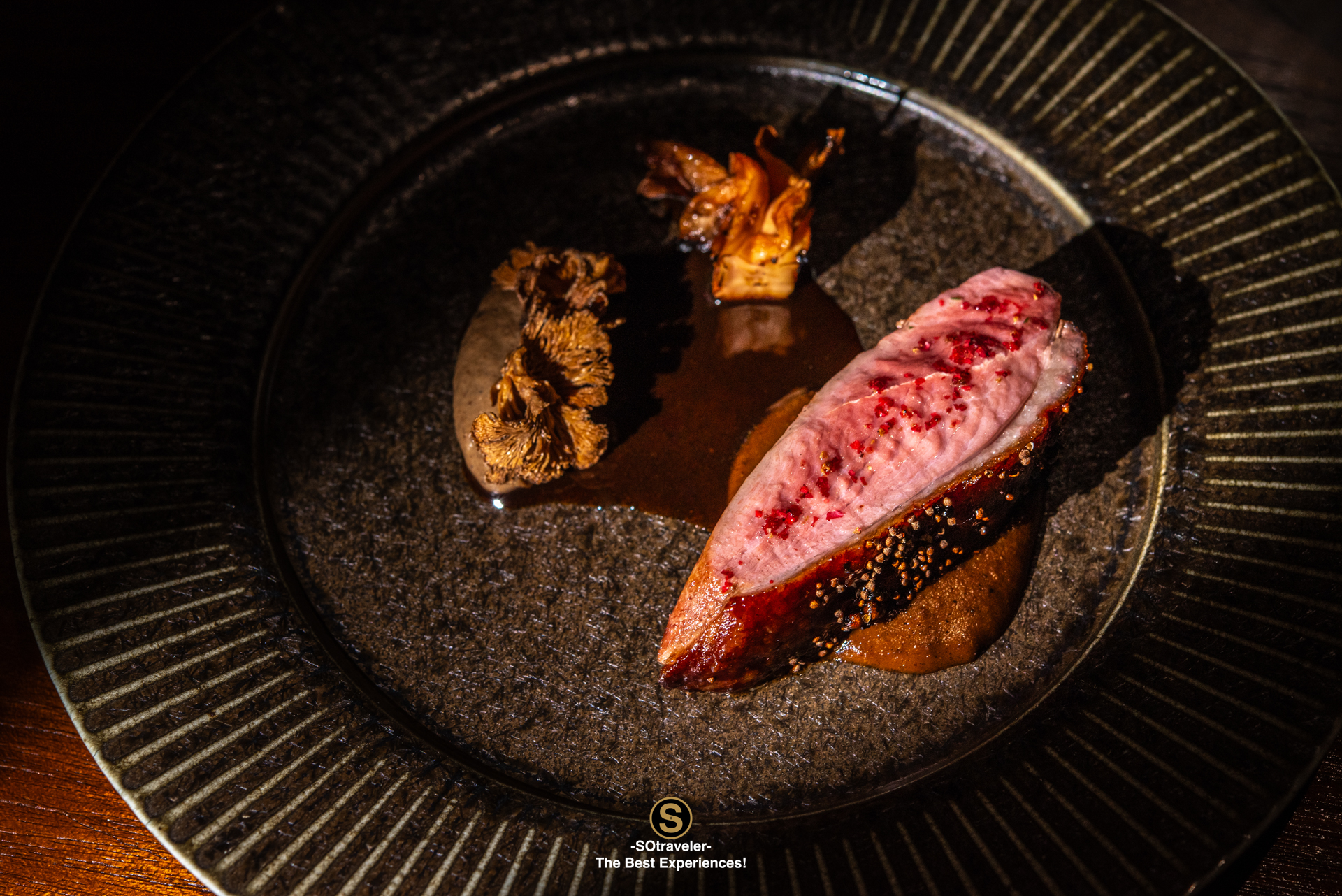
Thailand’s luxury culinary landscape is undergoing a profound, permanent transformation. Once defined predominantly by imported European truffles, beluga caviar, and air-flown cuts of wagyu, high-end gastronomy across Bangkok and Phuket now celebrates hyper-local biodiversity, zero-waste operations, and regenerative agriculture. For global luxury travelers, high-net-worth expats, and conscious epicures, sustainable fine dining in Thailand offers an unprecedented fusion of ethical environmental stewardship and Michelin-caliber culinary artistry.
The Evolution of Farm-to-Table Luxury in Thailand
Modern eco-luxury dining in Southeast Asia moves far beyond basic organic labeling or marketing buzzwords. Top chefs operating across the kingdom are building fully integrated, closed-loop culinary ecosystems that redefine what it means to dine luxuriously without taxing the planet.
- Regenerative Farming Partnerships: Leading fine dining kitchens partner directly with smallholder indigenous farmers in Northern Chiang Mai, Chiang Rai, and Southern coastal communities. These collaborations revive forgotten heirloom produce, rare native herbs, and wild-foraged botanicals while guaranteeing fair-trade pricing directly to agrarian families.
- Closed-Loop Zero-Waste Practices: Culinary teams upcycle protein trims into rich umami garums, transform vegetable waste into natural farm compost, and harvest rainwater for urban aquaponic systems. Every ingredient is respected down to its root, stem, skin, and bone.
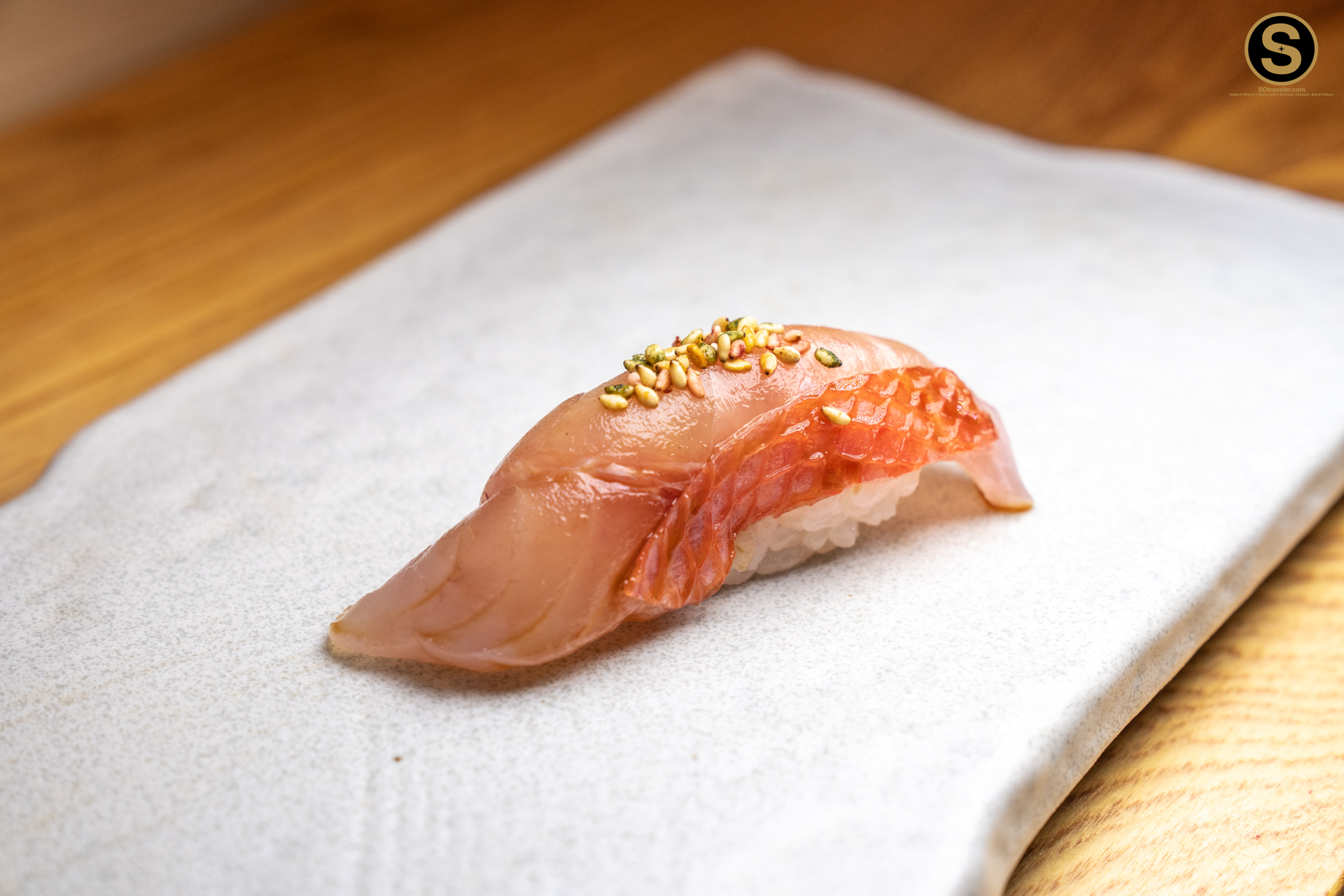
- Ethical Marine Sourcing: Replacing mass-imported frozen seafood with line-caught catches from local day-boat fishermen preserves regional marine biodiversity while providing diners with exceptional ocean-to-table delicacies that reflect true Thai terroir.
Pioneering Michelin Green Star Destinations in Thailand
1. PRU (Phru Jampa Farm, Phuket)
As the first restaurant in Thailand awarded a MICHELIN Green Star, PRU (an acronym for Plant, Raise, Understand) remains the benchmark for regional farm-to-table fine dining.
- The Concept: Operating on its private 16,000-square-meter organic estate, Chef Jimmy Ophorst showcases ingredients native exclusively to Thailand’s rich coastal soil.
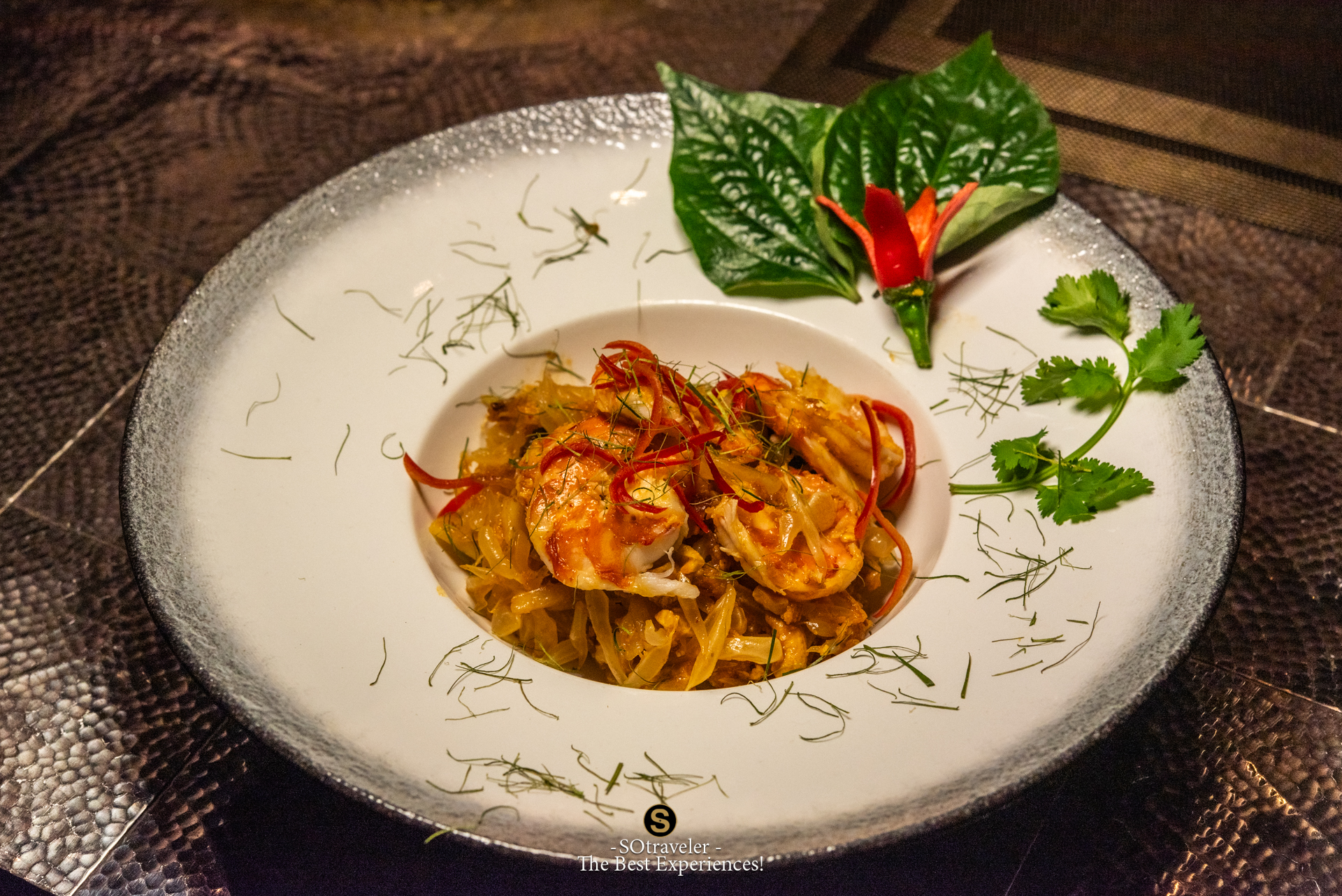
- Signature Experience: Minimalist tasting courses highlighting seasonal indigenous tubers, local river prawns, and wild herbs harvested hours before service.
2. Haoma (Sukhumvit 31, Bangkok)
Situated in the heart of urban Bangkok, Haoma holds both a MICHELIN Star and a MICHELIN Green Star for its pioneer aquaponic urban farm setup.
- The Concept: Led by Chef Deepanker Khosla, Haoma operates a completely zero-waste kitchen utilizing fish raised on-site in closed-loop tanks and microgreens grown on vertical indoor garden walls throughout the dining room.
- Signature Experience: Neo-Indian fine dining tasting menus executed using 100% locally sourced Thai produce and sustainably harvested seafood.
3. JAMPA (Tri Vananda, Phuket)
Located at the Tri Vananda wellness estate in Phuket, JAMPA centers its culinary identity on live-fire, open-flame cooking and zero-waste farming.
- The Concept: Chef Rick Dingen crafts daily-changing menus dictated entirely by what is harvested from the adjacent Pru Jampa Community Farm.
- Signature Experience: Wood-fired local vegetables, day-boat catch, and plant-forward tasting menus served in an eco-architectural sanctuary surrounded by native flora.
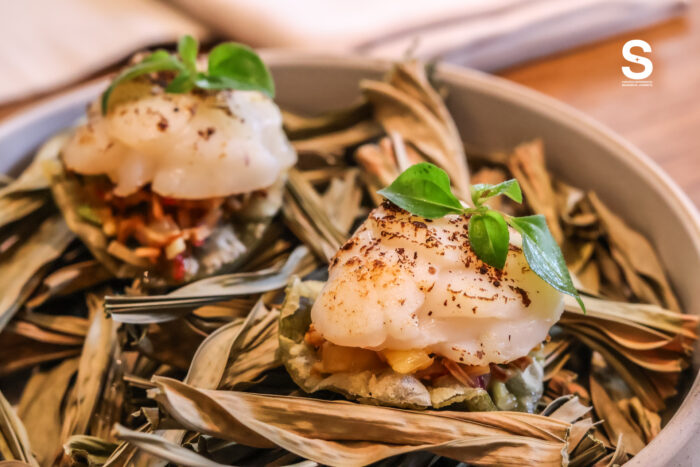
Comparing Thailand’s Eco-Luxury Culinary Champions
| Restaurant | Location | Core Sustainability Focus | Culinary Style |
| PRU | Phuket (Trisara) | Private organic farm sourcing & biodiversity | European-Tech Hyper-Local Tasting |
| Haoma | Bangkok (Sukhumvit) | Urban aquaponics & zero-waste closed loops | Neo-Indian Sustainable Gastronomy |
| JAMPA | Phuket (Tri Vananda) | Live-fire cooking & daily harvested produce | Wood-Fired Plant-Forward Courses |
Why Sustainable Fine Dining Matters to International Travelers
Choosing eco-conscious fine dining allows international visitors to directly support local Thai farming communities, marine conservation programs, and land preservation initiatives. By dining at Thailand’s premier sustainable establishments, global gourmands experience authentic regional terroirs while actively contributing to the future of environmental stewardship in Southeast Asia.