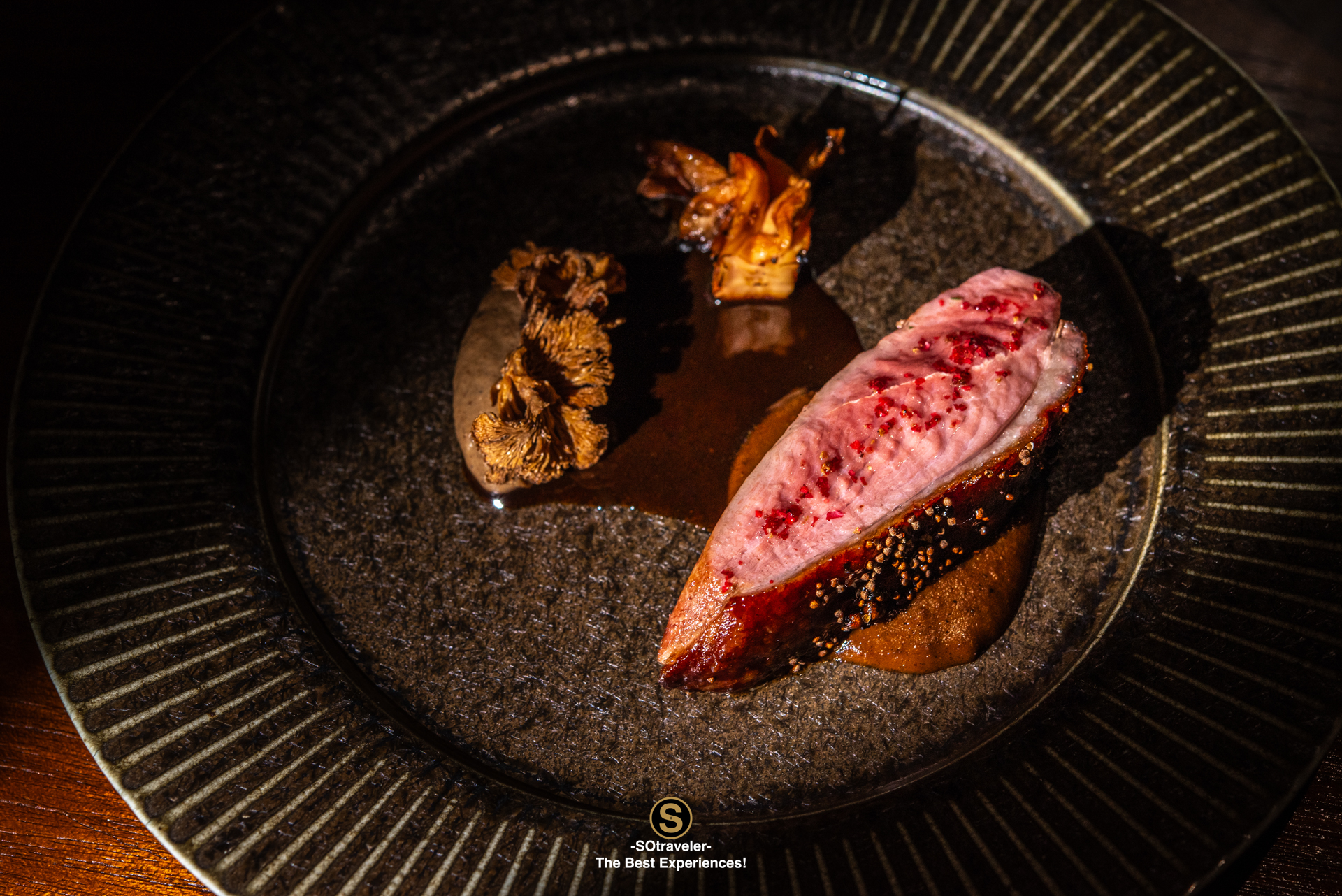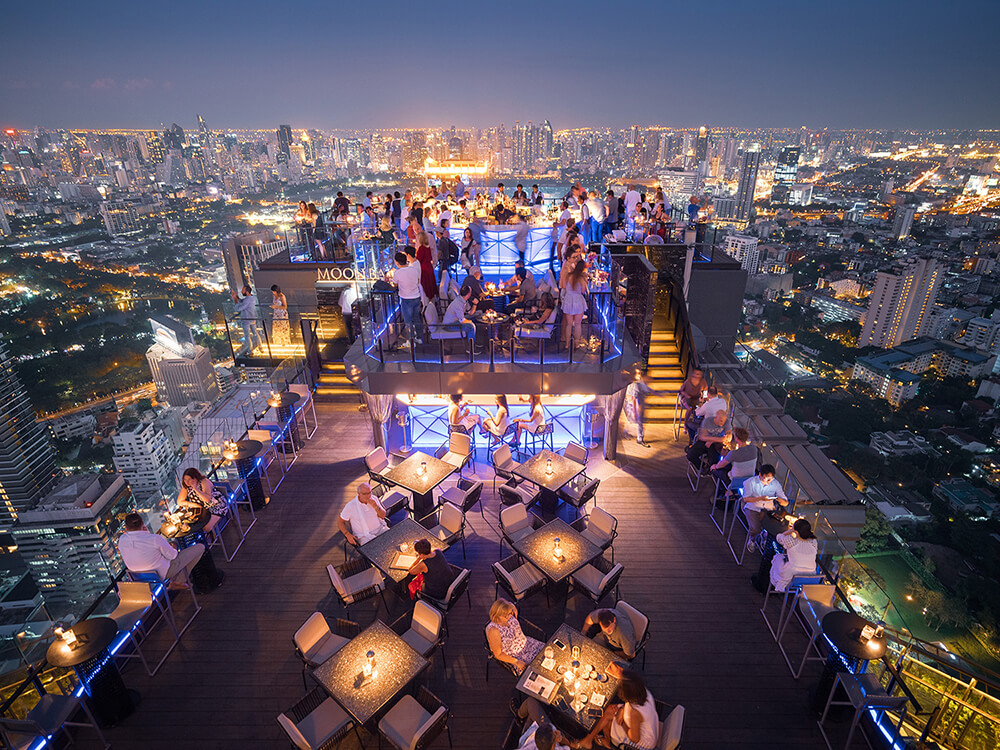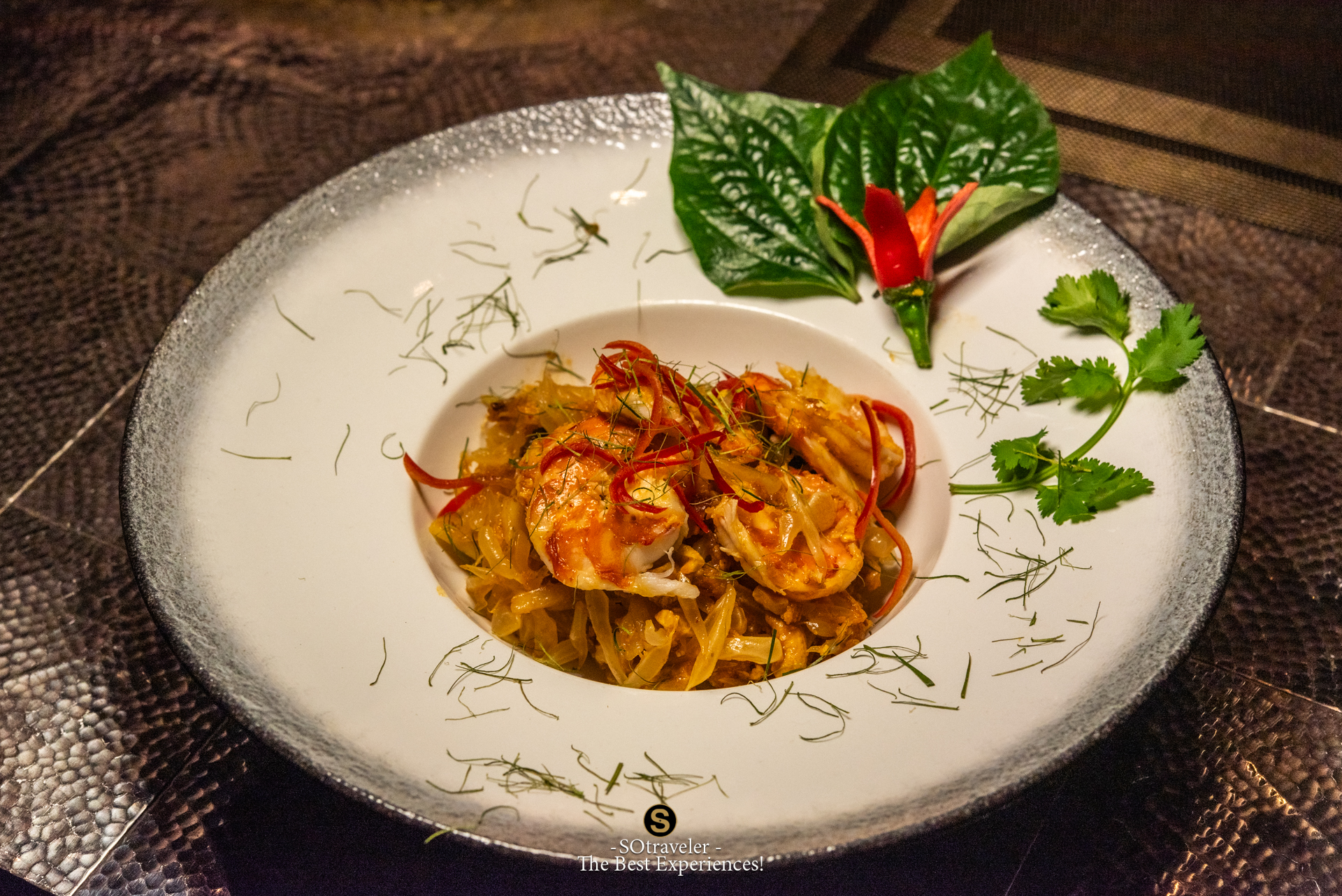
Thailand’s culinary landscape is undergoing a revolutionary transformation. Far beyond traditional street food stalls and classic curry houses, a new wave of visionary chefs is elevating authentic Thai flavors onto the global fine dining stage. “Progressive Thai Cuisine” represents a movement that respects centuries-old recipes, regional ingredients, and heritage cooking techniques while pushing creative boundaries through modern gastronomy, precision plating, and cross-cultural inspiration.
Defining Progressive Thai Cuisine
Unlike Western fusion, which often blends disparate culinary traditions, Progressive Thai cuisine remains deeply rooted in authentic Thai flavor profiles—sour, sweet, salty, spicy, and bitter. The “progressive” element lies in how these flavors are extracted, interpreted, and presented.
- Technique Innovation: Utilizing modern culinary techniques such as sous-vide cooking, molecular gastronomy, nitrogen freezing, and precision fermentation to enhance textures without altering foundational tastes.
- Hyper-Local & Rediscovered Ingredients: Sourcing rare herbs, ancient grains, and seasonal produce from indigenous local farmers across Northern, Isan, Central, and Southern Thailand.
- Storytelling & Nostalgia: Transforming familiar comfort dishes—such as Tom Yum, Som Tum, or Massaman—into multi-sensory tasting menus that evoke memory and emotion.
Key Elements That Define the Progressive Movement
1. Deconstruction and Reconstruction
Chefs deconstruct iconic dishes down to their essential aromatic components (galangal, lemongrass, kaffir lime, chili) and reconstruct them into unexpected textures—such as savory foams, herbal gels, or crispy chips—while maintaining the unmistakable soul of the original dish.
2. Regional Spotlight Beyond Bangkok
Progressive dining highlights hyper-regional specialties. Diners experience complex flavor profiles from Isan (fermented fish and herbal heat), Southern Thailand (intense turmeric and shrimp paste), and Northern Lanna culture (smoky chilies and aromatic spices).
3. Zero-Waste & Ethical Sustainability
Modern Thai fine dining places heavy emphasis on nose-to-tail and root-to-stem cooking philosophies. Ingredients are fully utilized through traditional preservation methods like drying, curing, and fermenting.
Progressive Thai vs. Traditional Thai Dining
| Feature | Traditional Thai Cuisine | Progressive Thai Cuisine |
| Service Style | Family-style sharing (Khab Khao) | Multi-course tasting menu / Omakase style |
| Ingredient Sourcing | Market staples & standard imported produce | Hyper-local, organic, & rare heritage ingredients |
| Preparation Methods | Mortar & pestle, wok frying, clay pot simmering | Charcoal grilling, sous-vide, liquid nitrogen, fermentation |
| Presentation | Rustic & communal | Artistic, individual plating with narrative storytelling |

Why Progressive Thai Cuisine Matters for Global Gastronomy
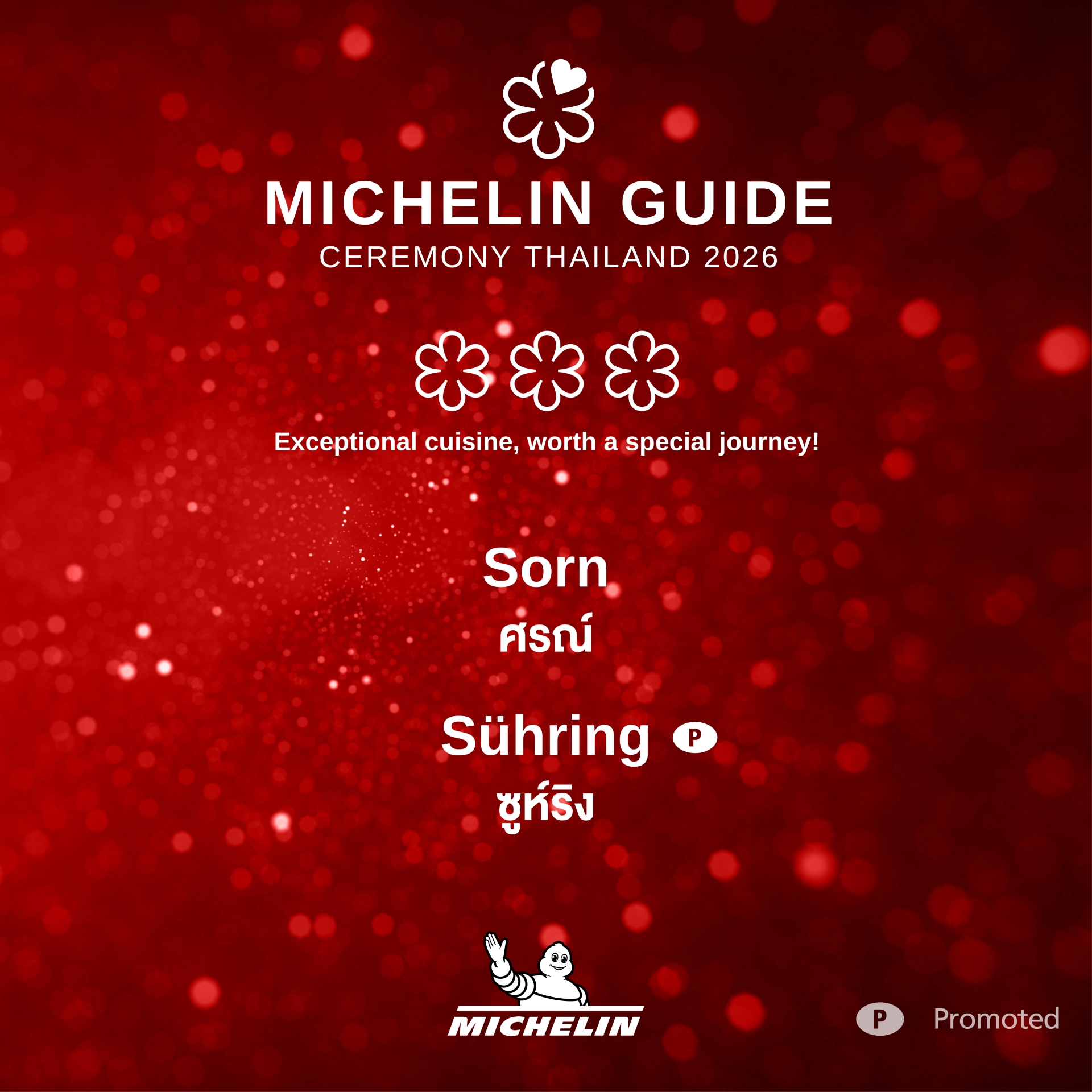
The rise of Progressive Thai cuisine has repositioned Thailand from a beloved street-food destination into an international epicenter for culinary innovation. Honored by Michelin Guide distinctions and prestigious global rankings, these innovative dining establishments prove that traditional Asian heritage flavors can stand alongside classic French or modern Nordic cuisines at the highest levels of gastronomy.